Table of Contents
Introduction
In the picturesque yet challenging climate of Denver, Colorado, particularly near Arvada, homeowners often face the need for roof repairs due to harsh weather conditions like heavy snow, hailstorms, and intense sun exposure. When only a portion of the roof requires repair, ensuring that the newly fixed area blends seamlessly with the existing structure is crucial. This not only enhances the aesthetic appeal of your home but also maintains its structural integrity and value. A mismatched repair can lead to visible eyesores, potential leaks, or accelerated wear on surrounding areas. In this article, we explore practical steps and considerations for Denver homeowners to achieve a harmonious roof integration, drawing on local expertise and best practices.
Assessing Your Roofs Current Condition
Before embarking on any repair, a thorough assessment of your roof’s current state is essential. Start by inspecting the old roof sections for material type, age, and wear patterns. In the Denver-Arvada region, common roofing materials include asphalt shingles, metal, and tile, each affected differently by the area’s freeze-thaw cycles. Hire a certified local roofer who understands Colorado’s building codes to evaluate the damage. They can identify if the repair is partial or if a full replacement might be more cost-effective for seamless integration. This initial step prevents mismatched materials that could compromise the roof’s uniformity. For instance, if your roof features weathered asphalt shingles, sourcing exact matches will be key. Documenting the roof’s details through photos and samples during the assessment aids in planning, ensuring the repair aligns with the original design.
Selecting Compatible Materials
Choosing the right materials is the cornerstone of seamless integration. Match the new sections precisely to the old ones in terms of composition, thickness, and manufacturer specifications. For Denver homes near Arvada, where wind and UV exposure are significant, opt for high-quality, weather-resistant materials like impact-rated shingles that comply with local standards. Avoid generic replacements; instead, consult suppliers in the area, such as those in the Denver Metro region, who stock products tested for Rocky Mountain conditions. If your roof is older, consider phased upgrades where new materials mimic the aged appearance of the old. This approach, often recommended by local contractors, ensures longevity and visual continuity. Transitioning smoothly to aesthetics, the tactile and visual properties must also align to avoid a patchwork look.
Matching Colors and Textures
Color and texture discrepancies can make repairs glaringly obvious, detracting from your home’s curb appeal. In the sunny, high-altitude environment of Denver, colors fade over time due to UV rays, so select shades that replicate the current patina rather than the original vibrant hue. Professional roofers use color-matching tools or weathering techniques to blend new shingles with old ones. For textured surfaces like wood shakes or granular shingles common in Arvada neighborhoods, ensure the new pieces have identical grit and pattern profiles. A subtle tip from local experts is to install a border of transitioned materials around the repair site, gradually merging the new and old. This method, while adding a bit to the cost, provides a natural flow. As we move forward, professional involvement becomes even more critical in the execution phase.
Engaging Professional Roofers
While DIY repairs might seem appealing, enlisting experienced professionals is vital for seamless outcomes, especially in Denver’s variable weather. Look for contractors licensed by the Colorado Roofing Contractors Association, with strong reviews from Arvada residents. They bring expertise in local permitting requirements, which can include wind-load certifications for repairs. During consultations, discuss integration strategies, such as overlapping techniques to hide seams. Reputable firms often provide warranties that cover blending quality, giving homeowners peace of mind. By involving pros early, you can avoid common pitfalls like improper flashing installation that leads to visible lines. Following this, attention to installation details ensures the repair withstands the elements without drawing attention to itself.
Key Installation Techniques for Seamless Blending
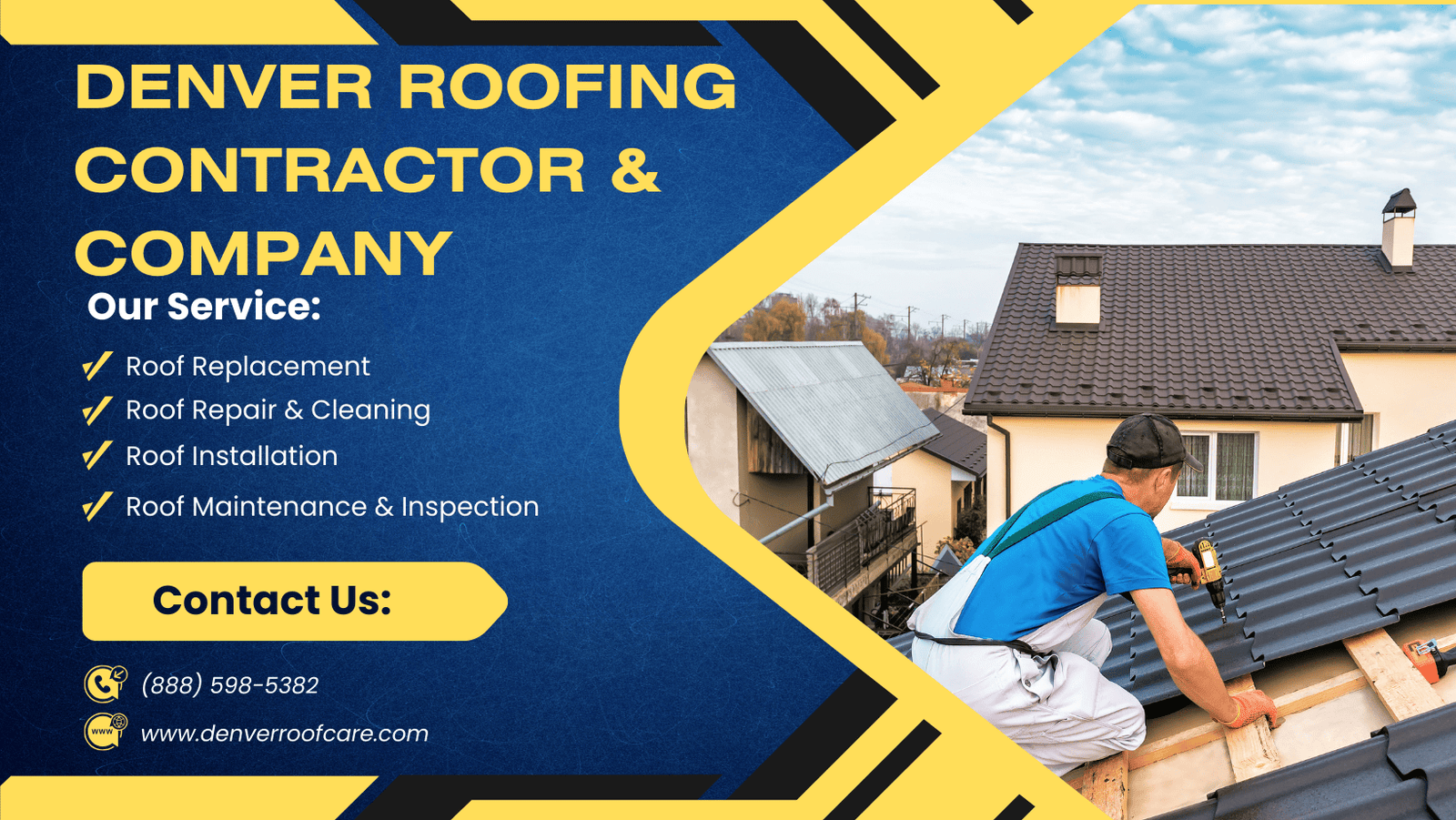
Precise installation techniques are what truly make a repair invisible. Start with meticulous surface preparation: clean and prime the old roof area to promote adhesion, preventing bubbling or lifting in Colorado’s dry climate. Use underlayment that matches the existing layer to avoid thermal expansion differences. For shingle repairs, stagger the seams irregularly to mimic natural weathering patterns seen in Denver roofs. In metal or tile applications, common near Arvada, ensure joint overlaps follow the original pitch and angle. Ventilation is another factor; integrate new vents seamlessly to maintain airflow without disrupting the roofline. Post-installation, a final inspection under different lighting conditions helps catch any subtle mismatches. These techniques, when executed well, bridge the old and new effortlessly. To sustain this integration, ongoing maintenance plays a pivotal role.
Maintenance Strategies to Preserve Integration
Once repaired, proactive maintenance keeps the integration intact over time. In the Denver-Arvada area, schedule biannual inspections to monitor for differential settling or color fading accelerated by hail. Apply protective sealants periodically to unify the surface against sun damage. Clear debris from gutters regularly, as buildup can unevenly wear sections, highlighting repairs. Educate yourself on signs of mismatch, like uneven granule loss, and address them promptly. Local resources, such as Arvada’s community workshops on home upkeep, can provide hands-on tips. By integrating these habits, your roof remains cohesive, extending its lifespan and protecting your investment. Considering regional specifics further refines these efforts.
Local Considerations for Denver and Arvada Homeowners
Denver’s unique microclimate demands tailored approaches. Near Arvada, elevation and proximity to the Front Range mean more intense storms, so repairs should incorporate hail-resistant features that match existing durability. Adhere to Jefferson County’s building regulations, which emphasize energy efficiency—choose reflective materials that blend while reducing cooling costs. Water runoff patterns, influenced by the area’s slopes, require proper drainage integration to prevent erosion exposing seams. Collaborate with local suppliers for materials acclimated to Colorado’s altitude, minimizing expansion issues. These considerations ensure your repair not only looks seamless but performs optimally in the local environment. Wrapping up these strategies highlights their collective impact on your home.
Conclusion
Achieving seamless integration for a roof repair near Arvada in Denver requires careful planning, material selection, and professional execution, all while accounting for local weather challenges. By assessing your roof, matching elements precisely, and maintaining diligently, you can restore your home’s appearance and functionality without visible disruptions. Investing time and resources in this process pays dividends in property value and peace of mind. Consult local experts to navigate these steps effectively, ensuring your roof stands strong and uniform against the elements.
Frequently Asked Questions
1. How much does it cost to repair a section of my roof in Denver? Costs vary based on materials and damage extent, typically ranging from $300 to $1,000 per square for partial repairs, plus labor. Get multiple quotes from local Arvada contractors for accuracy.
2. Can I repair my roof myself to save money? While minor fixes are possible, professional help is recommended for seamless integration, especially with Denver’s complex weather, to avoid costly mistakes.
3. What if the exact matching materials are unavailable? Roofers can use weathering sprays or compatible alternatives from the same line, ensuring close visual matches through custom blending techniques.
4. How long does it take for a partial roof repair? Most jobs take 1-3 days, depending on size and weather. In Arvada’s variable climate, scheduling during drier seasons helps.
5. Will insurance cover seamless roof repairs? Yes, if damage is from covered perils like hail, common in Denver. Document mismatches in claims to ensure full integration coverage.
6. How do I find a reliable roofer near Arvada? Check reviews on platforms like Angi or the BBB, and verify credentials with the Colorado Licensing Board for trusted local pros.
7. What maintenance is needed after repair? Inspect twice yearly, clean gutters, and reapply sealants every 5 years to preserve blending and prevent uneven wear.
8. Does seamless integration affect my home’s resale value? Absolutely; a uniform roof boosts curb appeal and signals quality maintenance, potentially increasing value by 5-10% in the Denver market.
Get Your Roof Fixed Today!
Ready to restore your roof’s protection? Dial (888) 598-5382 now for expert guidance. Prepare your ZIP code beforehand to connect with our closest service professionals efficiently.